The Practice of Contrast
Understanding the benefits of sauna and cold immersion for body and mind
June 5, 2026
Why heat and cold have long been paired to support recovery, circulation, presence, and nervous system balance.
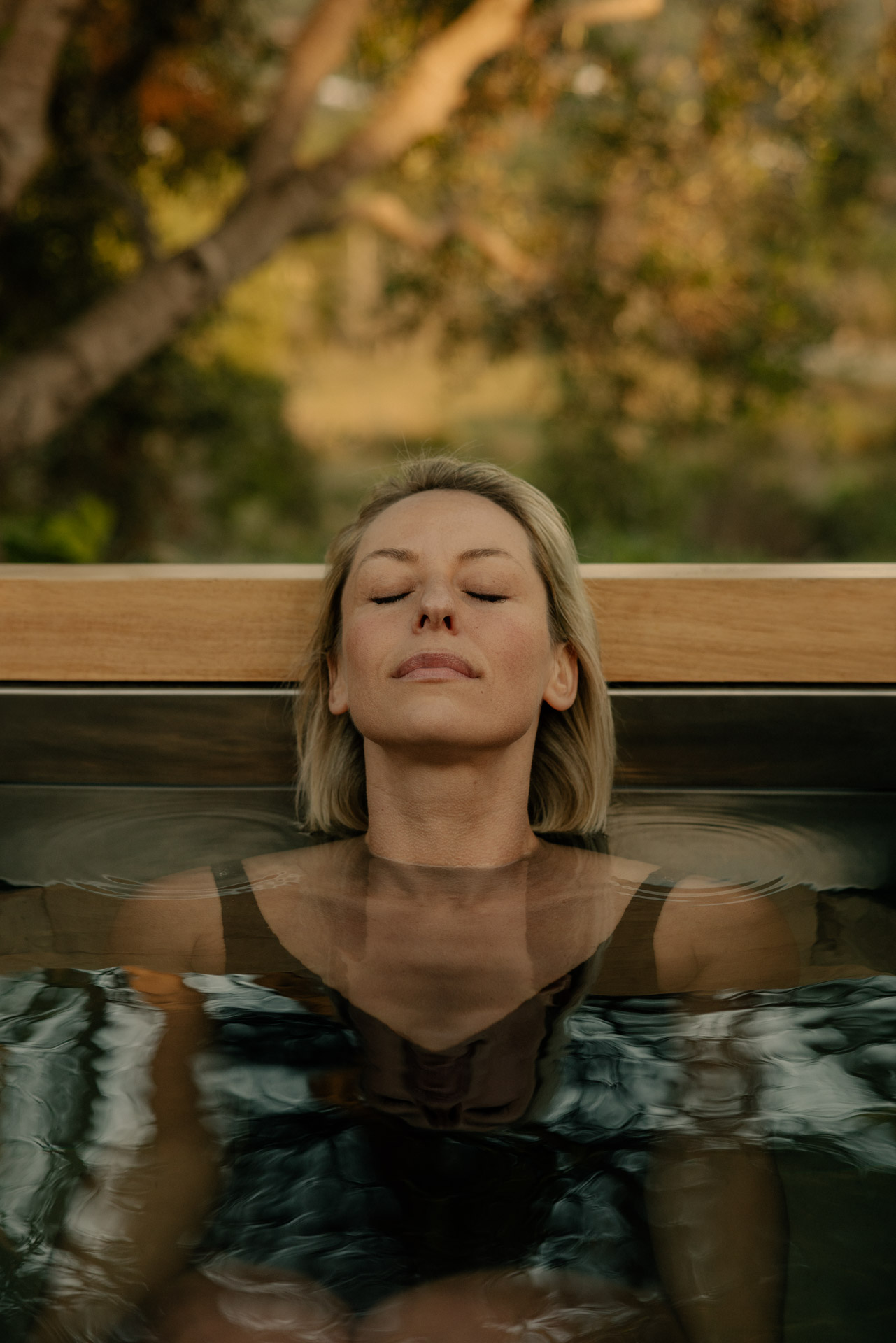
Long before contrast therapy became a modern wellness trend, cultures across Scandinavia, Japan, and parts of Eastern Europe practiced rituals built around heat and cold. Saunas, steam, cold water, snow, open air.
A repeated movement between extremes.
Not for performance alone, but for restoration.
Today, the combination of sauna and ice bath has re-emerged through both science and lived experience. While the physiological effects are increasingly studied, the deeper value of contrast often feels more personal: a heightened awareness of the body, a reset for the nervous system, and a ritual that interrupts the pace of modern life.
At Walrus, we see contrast therapy not as biohacking, but as a practice of regulation: an intentional shift between activation and recovery.



Heat, Cold & The Nervous System
Sauna and cold exposure affect the body in opposite ways.
Heat encourages vasodilation, increasing circulation and relaxing muscles. Cold constricts blood vessels, sharpens alertness, and activates the body’s stress response. Moving between both creates a dynamic process of adaptation.
Many people report benefits such as:
- reduced muscle soreness
- improved circulation
- stress relief
- increased mental clarity
- deeper relaxation after exposure
- improved recovery and sleep quality
Research around sauna bathing has also linked regular use to cardiovascular and longevity benefits, while cold exposure studies continue exploring its effects on stress adaptation, mood, and nervous system regulation.
But beyond physiology, there is another reason people return to contrast rituals repeatedly.
They change your state.
The Value of Transition
Modern life rarely allows for clear transitions.
Work blends into rest. Attention fragments across screens, conversations, and constant stimulation. The nervous system rarely fully settles.
Contrast therapy creates a physical interruption to that rhythm.
The heat of the sauna encourages release. The cold demands presence. Together, they create a cycle of tension and surrender that brings awareness back into the body.
For many, this is where the ritual becomes less about recovery and more about reconnection.
A moment to pause.
To breathe differently.
To slow down enough to feel present again.
A Ritual Shared Across Cultures
One of the reasons sauna and cold immersion continue appearing across cultures is their simplicity.
No notifications. No optimization metrics. No digital layer between experience and body. Just temperature, breath, and time.
Whether in Nordic saunas beside frozen lakes, Japanese onsens, or modern wellness spaces, the underlying principle remains remarkably similar: controlled exposure to discomfort and recovery can restore both body and mind.
The ritual is ancient.
The relevance feels increasingly modern.
Beyond Performance
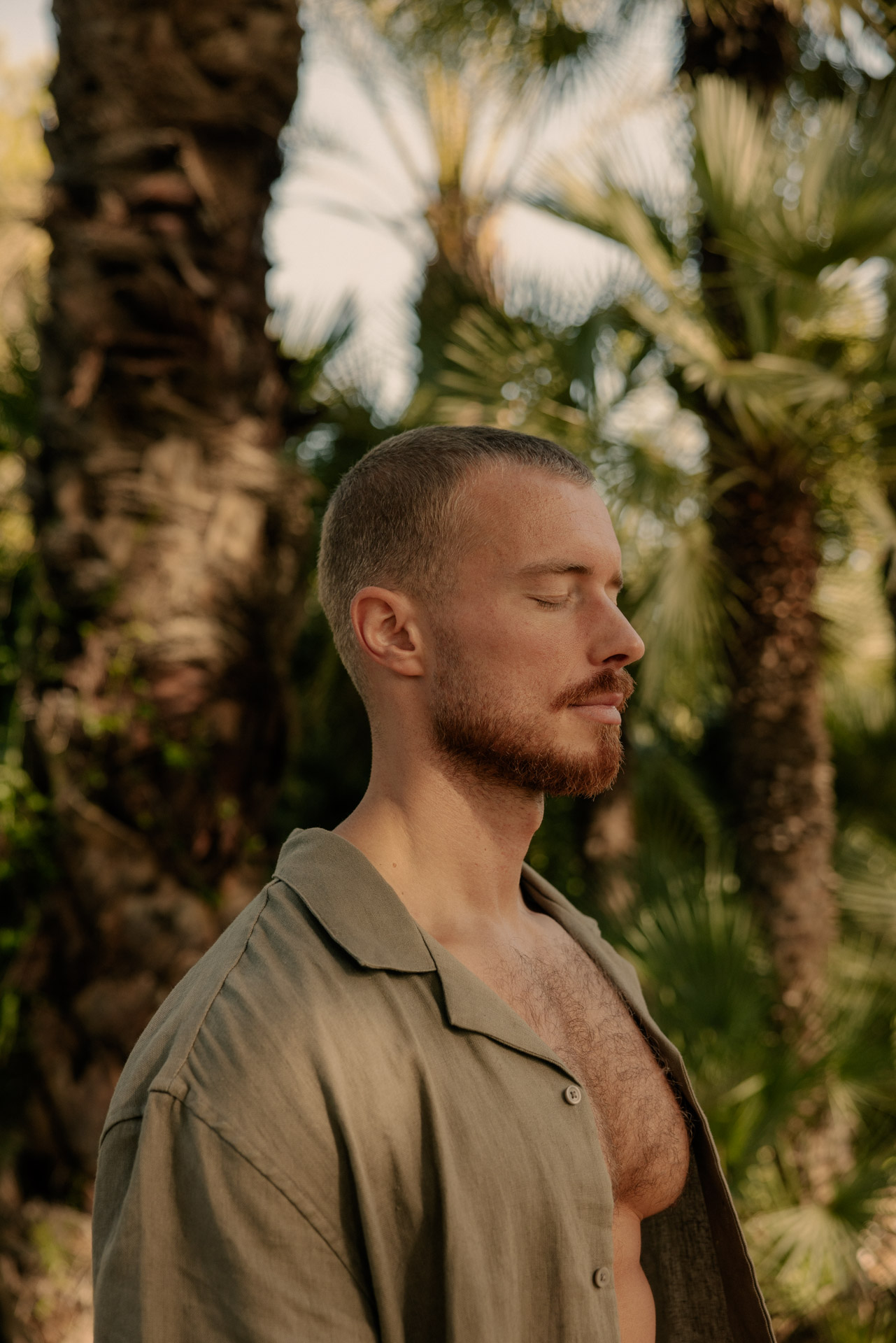
Contrast therapy is often discussed through the lens of athletic recovery. And while physical recovery is certainly part of its appeal, reducing the practice to performance misses something important.
The deeper effect is often psychological.
Moving repeatedly between heat and cold teaches adaptability. It encourages awareness of how the body responds to stress, intensity, release, and stillness.
Over time, the ritual becomes less about extremes and more about balance.
Not intensity for its own sake, but learning how to regulate energy in a world that constantly pulls us out of rhythm.
Returning to Balance
There is no perfect protocol for sauna and ice bath rituals.
Some prefer longer sauna sessions followed by short cold plunges. Others move gently between temperatures with more space for rest and stillness.
The most important element is not optimization, but consistency and awareness.
Because ultimately, the value of contrast is not found in extremes themselves.
It is found in the return to balance that follows.