Learning to Stay in the Cold
The quiet discipline of remaining present within discomfort
May 11, 2026
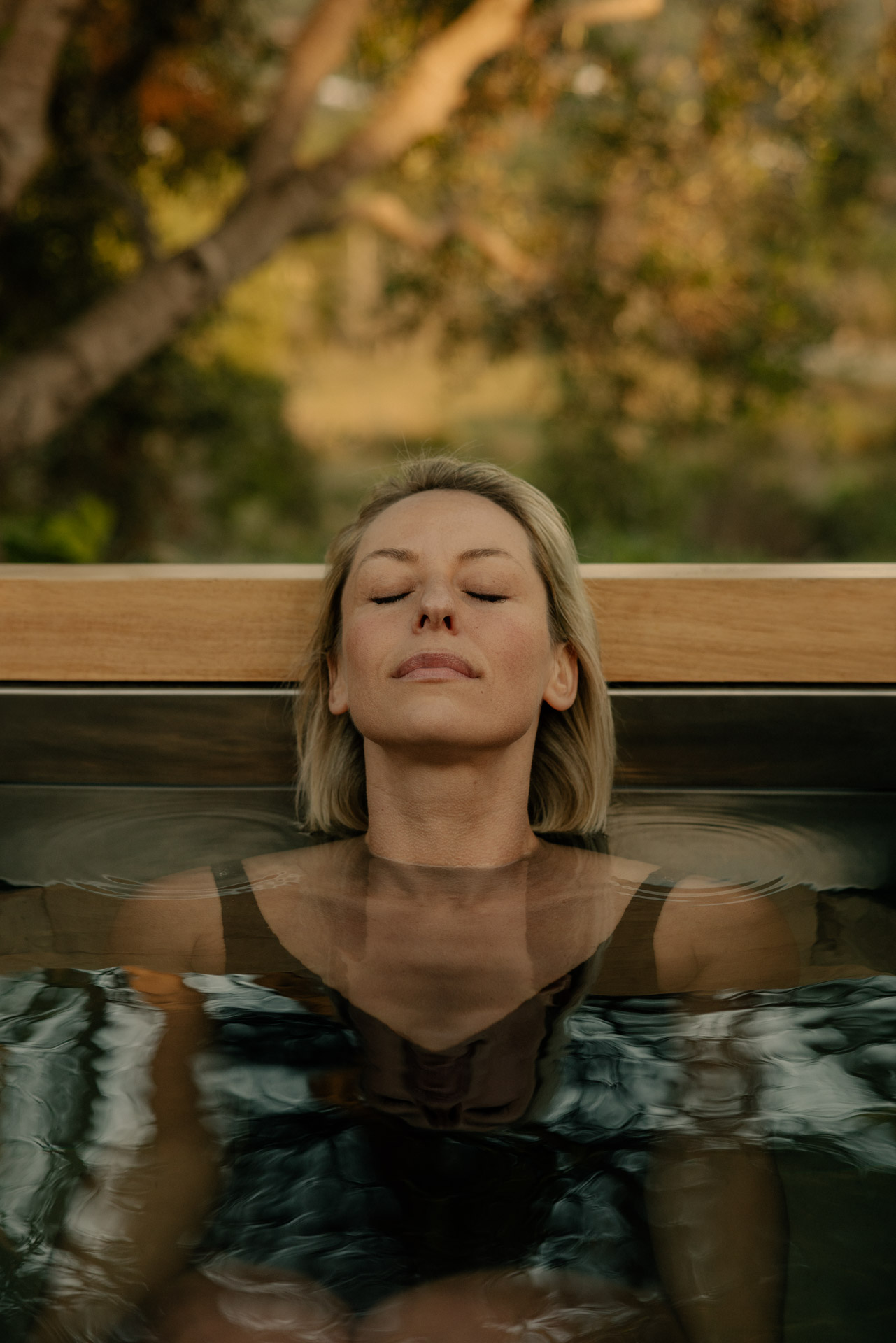
Where the Noise Drops Away
For me, cold exposure has never been about extremes. Working in design means spending most days in highly stimulating environments - managing renovations, solving problems, making decisions, moving between construction sites, heritage properties, beach clubs, and long creative conversations. There is constant input. Constant movement.
The ritual of cold became a counterbalance to that.
Every morning, before the day fully begins, I step into cold water. Not to chase discomfort, but to create clarity. A moment where the noise drops away and the body becomes fully present again.
One of the questions I’m asked most often is: how long should you actually stay in an ice bath?
The truth is, longer is not necessarily better.
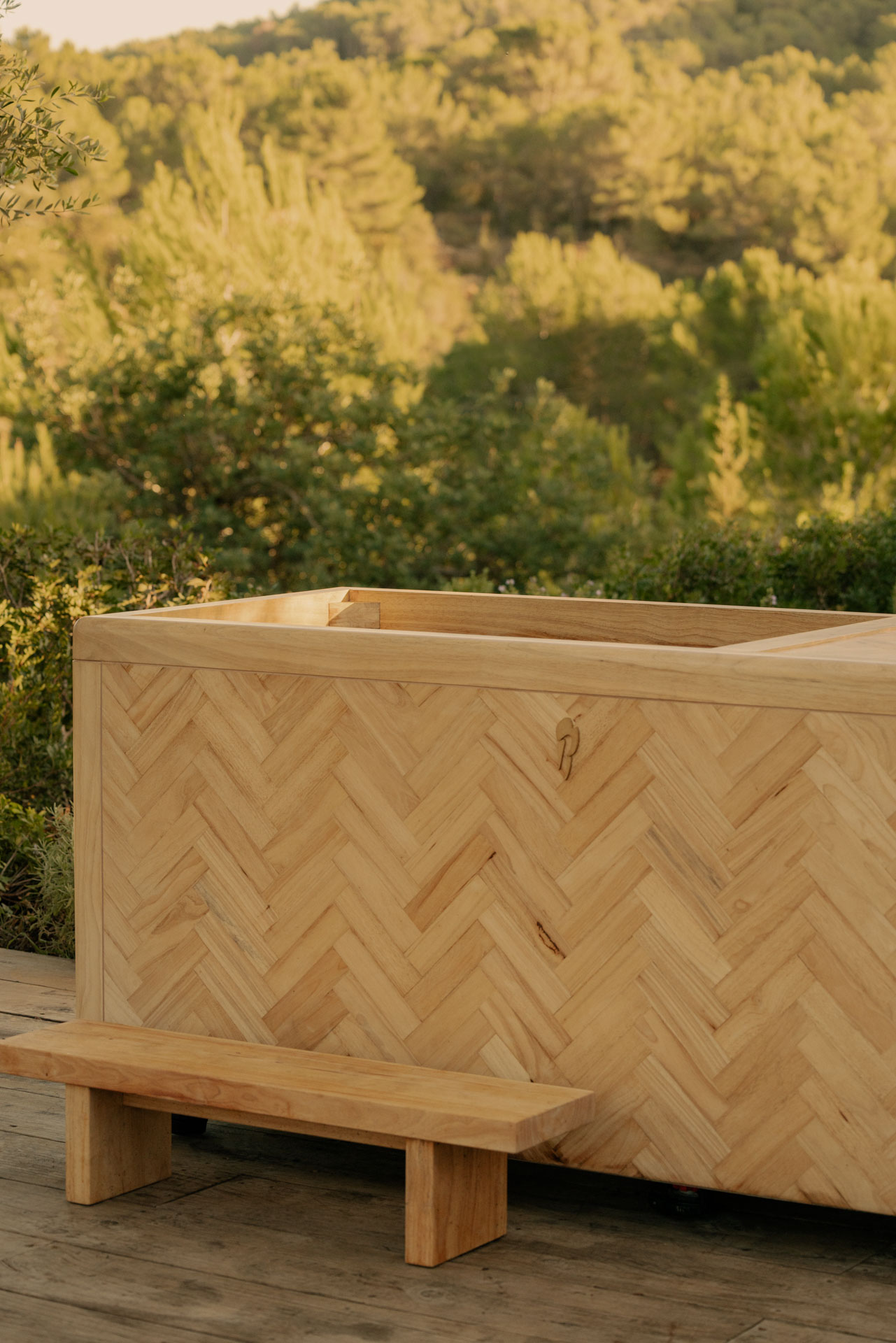

Finding the Right Duration
For most people, a cold immersion of around 2–5 minutes is enough to experience many of the physical and mental benefits associated with cold exposure, depending on water temperature and experience level.
Beginners should start slowly.
Slightly warmer temperatures and shorter durations allow the body and nervous system to adapt over time.
The goal is not endurance for its own sake. It is learning how to remain calm and aware within controlled discomfort.
At a certain point, the practice stops being physical and becomes psychological.
What Happens in the Body
The first seconds in cold water trigger an immediate stress response.
Breathing changes. Heart rate increases. The nervous system becomes alert.
But if you stay with the experience - without resisting it - the body gradually begins to regulate itself again. That transition is where the practice becomes interesting.
Research around deliberate cold exposure has linked it to improved circulation, reduced inflammation, increased alertness, and elevated dopamine and norepinephrine levels - neurochemicals associated with focus, motivation, and mood regulation.
But beyond physiology, there is also a quieter effect that is harder to measure.
Stillness.
The Architecture of Stillness
In many ways, I see cold exposure similarly to architecture or spatial design.
The spaces we create influence how we feel. Light, materiality, silence, texture, temperature—these elements shape our nervous system constantly, often without us noticing.
Cold water works similarly. It changes your state immediately.
For a few minutes, there is no distraction. No performance. No multitasking. Only breath and awareness.
That is what keeps me returning to it every morning. Not intensity, but reset.
A deliberate interruption to the pace of modern life.

Safety & Awareness
Cold should always be approached with respect.
A few minutes is often enough. There is no need to push toward extremes, especially in the beginning. The healthiest relationship with cold is sustainable and consistent.
A few principles matter:
- start gradually
- focus on breathing
- never force duration
- avoid ego-driven exposure
- prioritize awareness over performance
Cold exposure is not about fighting the body. It is about listening to it more carefully.
A Daily Return
Over time, the ritual changes. You stop approaching cold as a challenge to overcome and begin experiencing it as something grounding.
Something that reconnects you to yourself before the day begins.
That is why I continue returning to it. Not because it becomes easier, but because it continues to create space for clarity, calm, and presence in a world that rarely slows down.
.jpg)